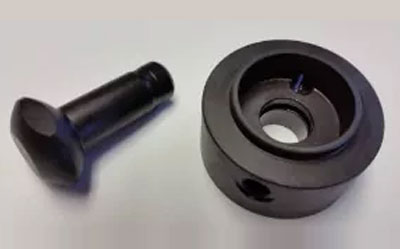
Salt Bath Nitriding
Salt Bath Basics
Houston Unlimited, Inc. offers a salt bath nitriding process, also referred to as liquid salt bath ferritic nitrocarburizing. This process is a surface treatment for most ferrous metal components and is designed to improve certain engineering properties to enhance wear resistance, lubricity, fatigue strength and corrosion resistance (except for stainless steel). This nitriding process will also lower the coefficient of friction and possibly reduce the material cost of components i.e., low alloys versus high alloys.
Salt Bath Processes
Salt bath nitriding is a thermochemical process in which nitrogen and carbon are diffused simultaneously into the surface of the material. The high concentration of nitrogen chemically combines Salt Bath Processes with iron and other nitride forming elements to produce an outer layer of epsilon iron nitride ( Fe3N ) which is thin, hard and ductile.
This layer is also known as the compound zone which has increased surface hardness to enhance anti-galling characteristics and lowers the coefficient of friction. This compound zone also functions as a solid film lubricant by providing a non-metallic interface between mating surfaces. Nitrogen of lower concentration continues to diffuse below the compound zone and forms a solid solution with the base metal iron. This zone is referred to as the diffusion zone and is noted for its improvement in fatigue strength.
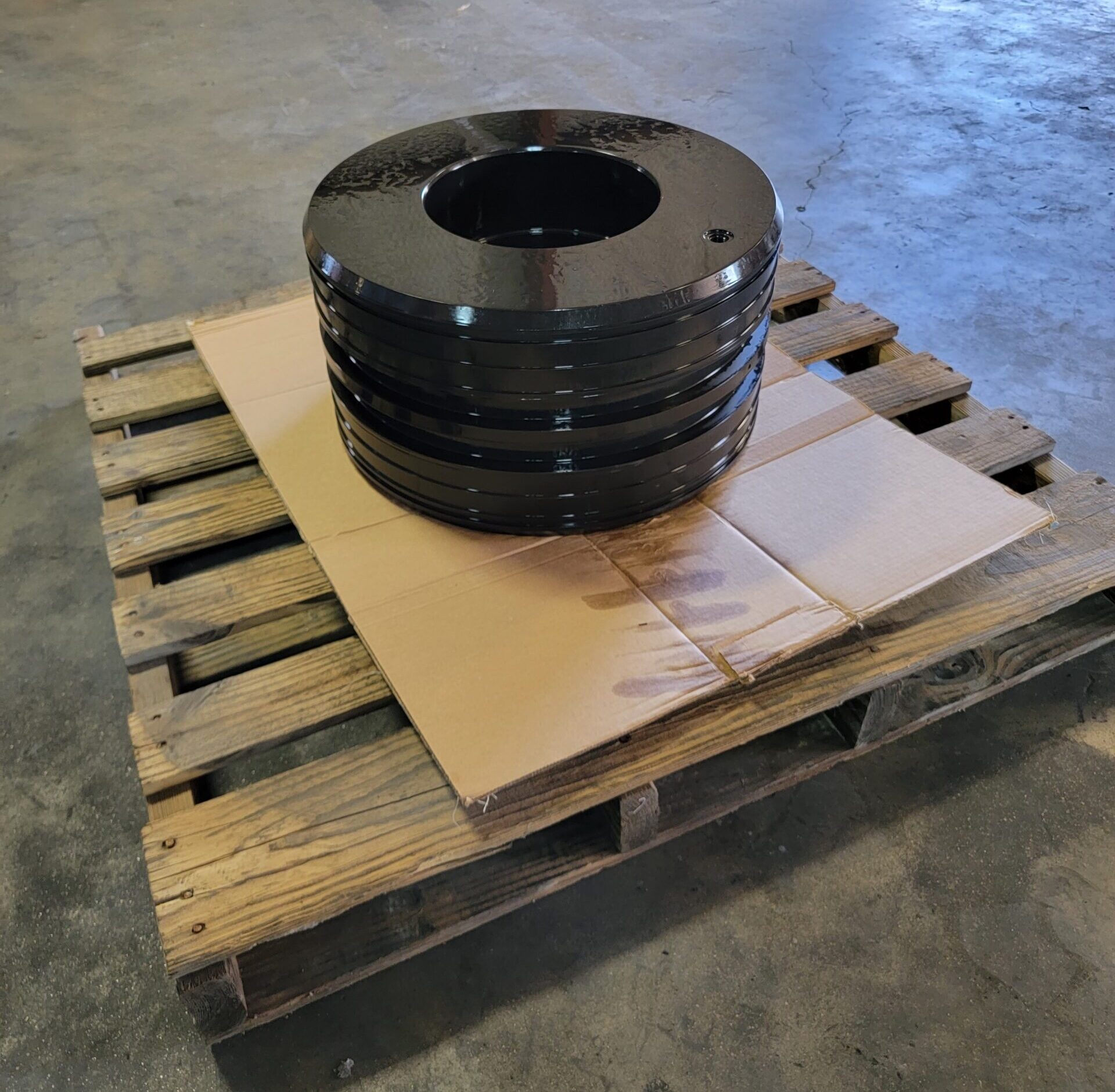
Implementations
Let Us Help You Improve Your…
- Wear Resistance
- Running Properties
- Abrasion Resistance
- Anti-Galling
- Lubricity
- Coefficient of Friction
- Fatigue Strength
- Corrosion Resistance (Except Stainless Steel)
- Material Costs (Low Alloys Versus High Alloys)
- Alternatives to Expensive Plating Processes
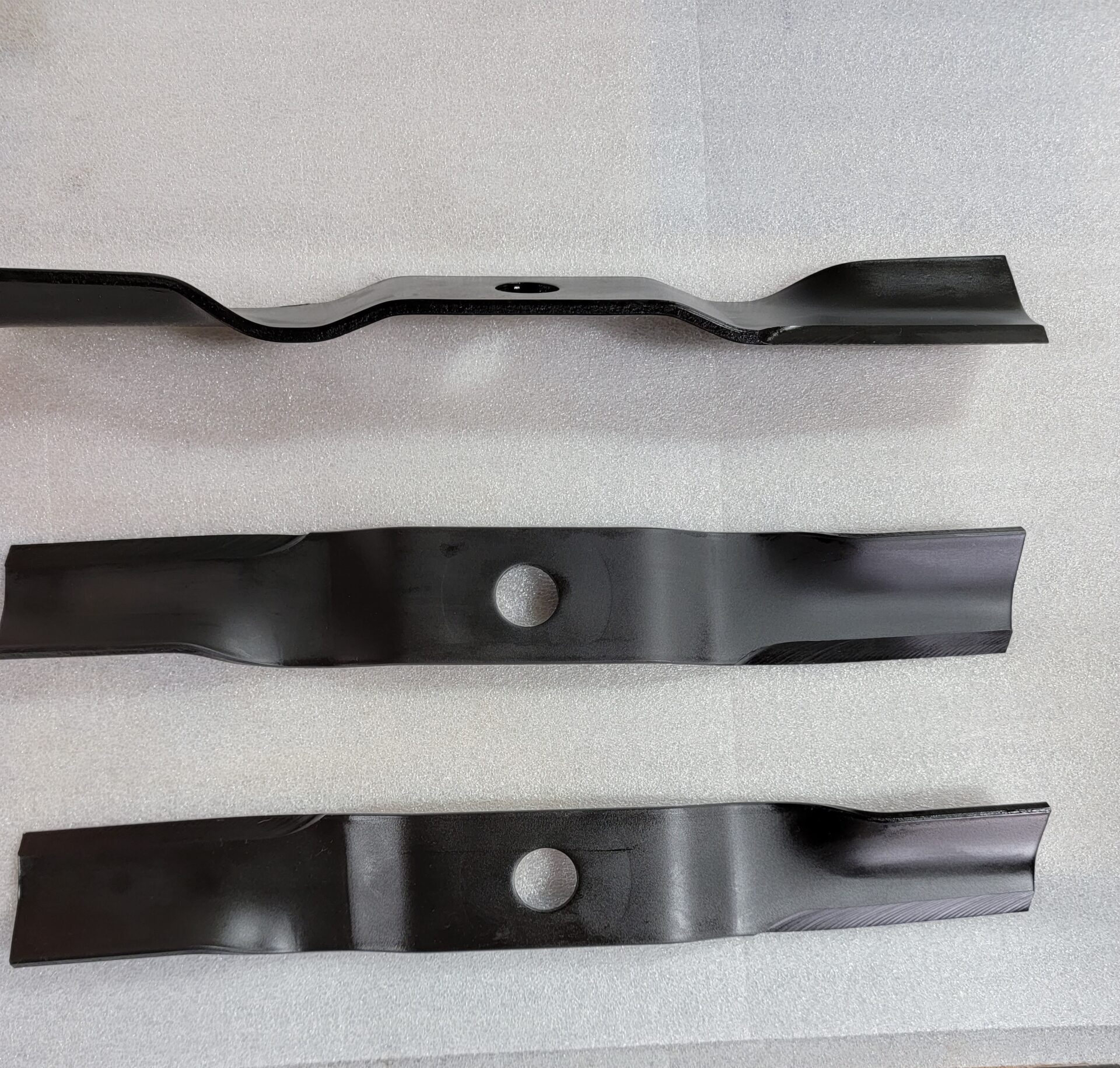
XYLAN
Industrial Xylan Coatings solve the problems created when the ideal material for use in engineering construction has the wrong surface properties. Parts made from materials with the optimum strength, weight and cost may still corrode, seize or gall. Xylan coatings provide a working surface, tailored to the application. Additionally, using industrial Xylan coatings allows for reduced breakout torques due to its anti-corrosion and low-friction properties.
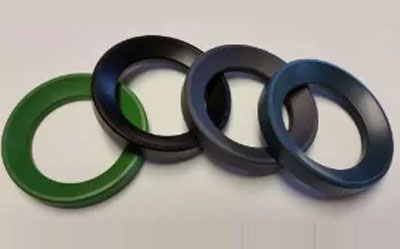
Phosphate
Phosphate coatings are a crystalline conversion coating for steel and other metals that is formed on a ferrous metal substrate. The process of Phosphate coating is employed for the purpose of pretreatment prior to coating or painting, increasing corrosion protection and improving friction properties of sliding components. In other instances, phosphate coatings are applied to threaded parts and top coated with oil to add anti-galling and rust inhibiting characteristics.